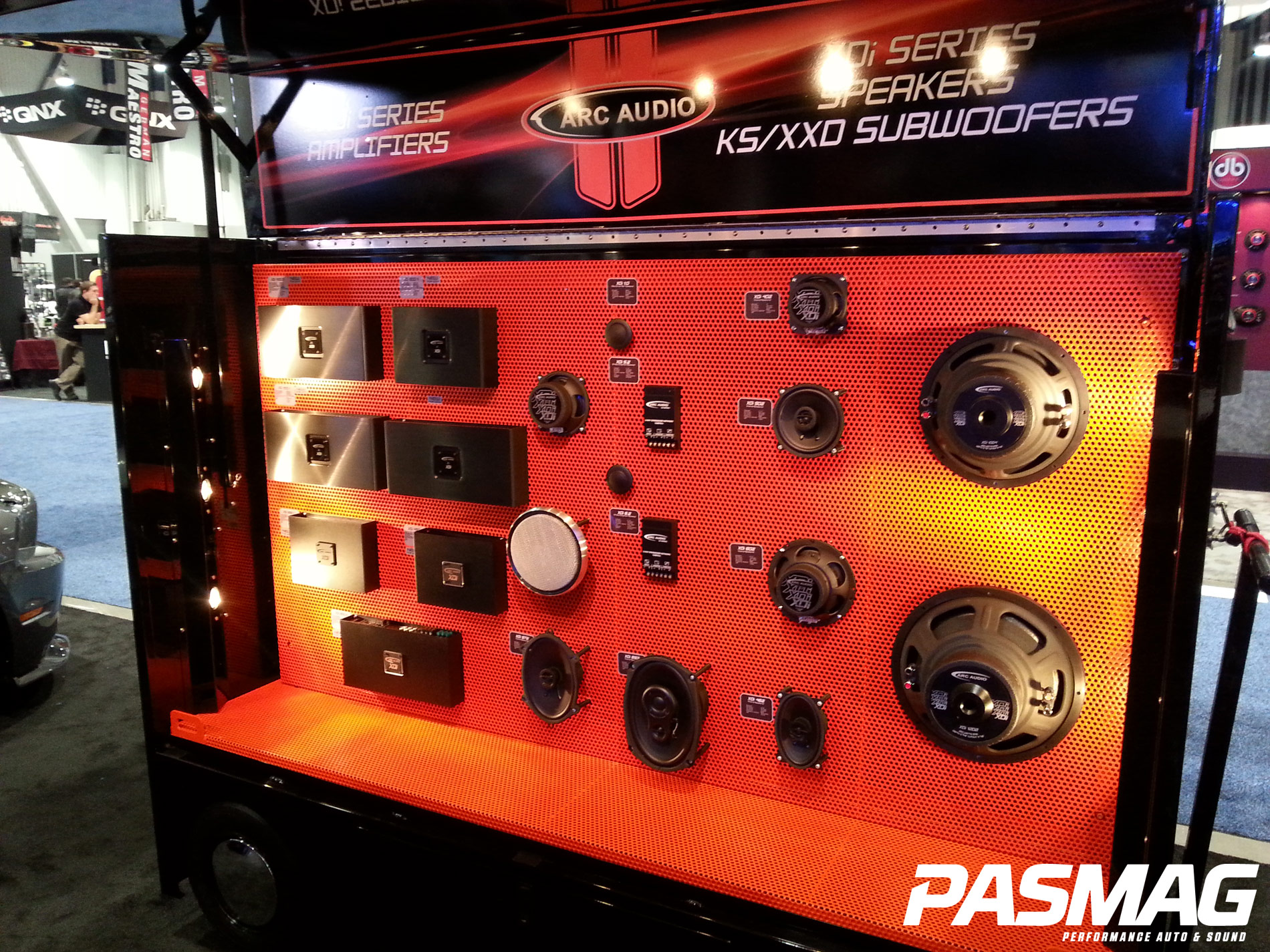
It has been roughly four years since I have attended CES and, due to the Polar Vortex storm that hit the Midwest, I decided to drive out to the show with my father so I wouldn’t risk missing a flight due to the weather. After a four-day trek and some quality time with my Dad I finally got my first glimpse of Las Vegas. As I checked into my room at the Excalibur, the casino seemed empty compared to what I had remembered from previous CES shows. I found out later that over 60,000 attendees had been delayed due to the aforementioned weather, thus reaffirming that I had made the right decision to drive.
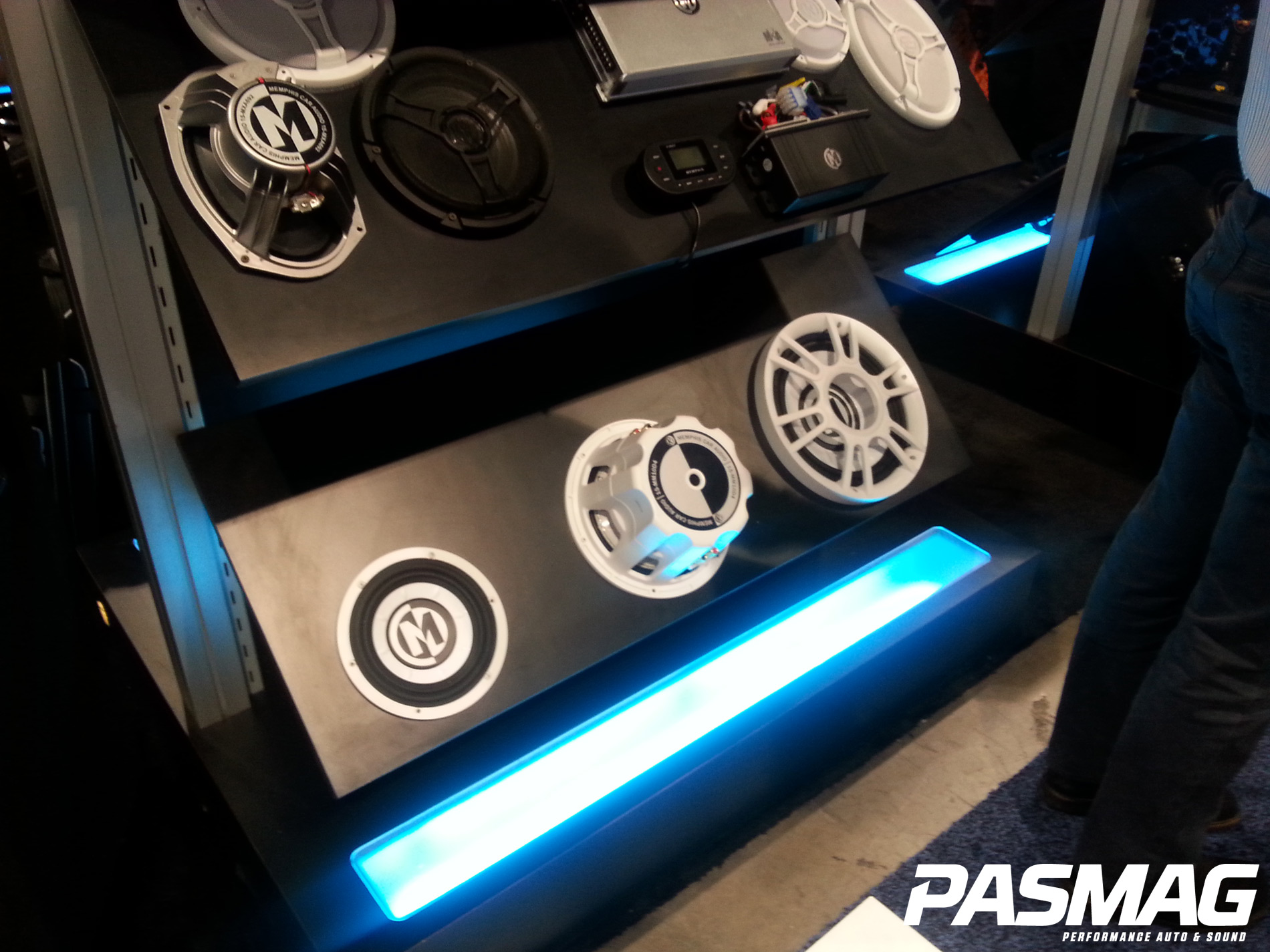
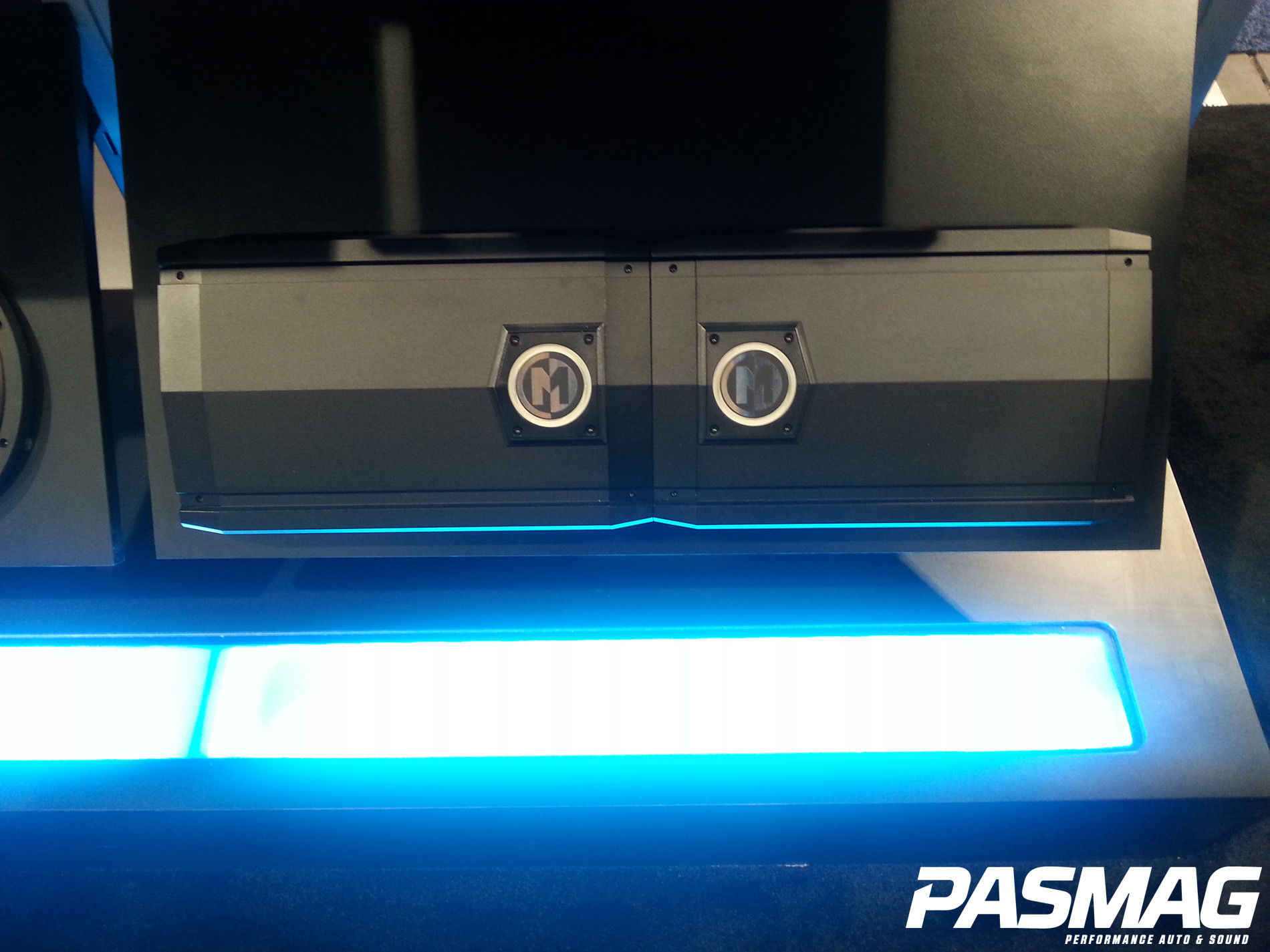
For 2014, CES changed the way the badges work by planting pick-up areas all over Las Vegas rather than sending them in the mail. After standing in line for two hours I decide that this new process sucks. With badge finally in hand I made my way to my room to get prepared for the next day. Waking up to the Vegas sunshine and 60 degree weather, I was ready to hit CES and find out what the future had in store for me in the world of technology. I got off the shuttle at the convention center and once again, it wasn’t as busy as I expected. I walked into the South Hall and quickly realized I wasn’t where I was supposed to be. I was surrounded by robots and TVs instead of mobile electronics. After an hour of walking I finally found the North Hall and the industry that I know and love.
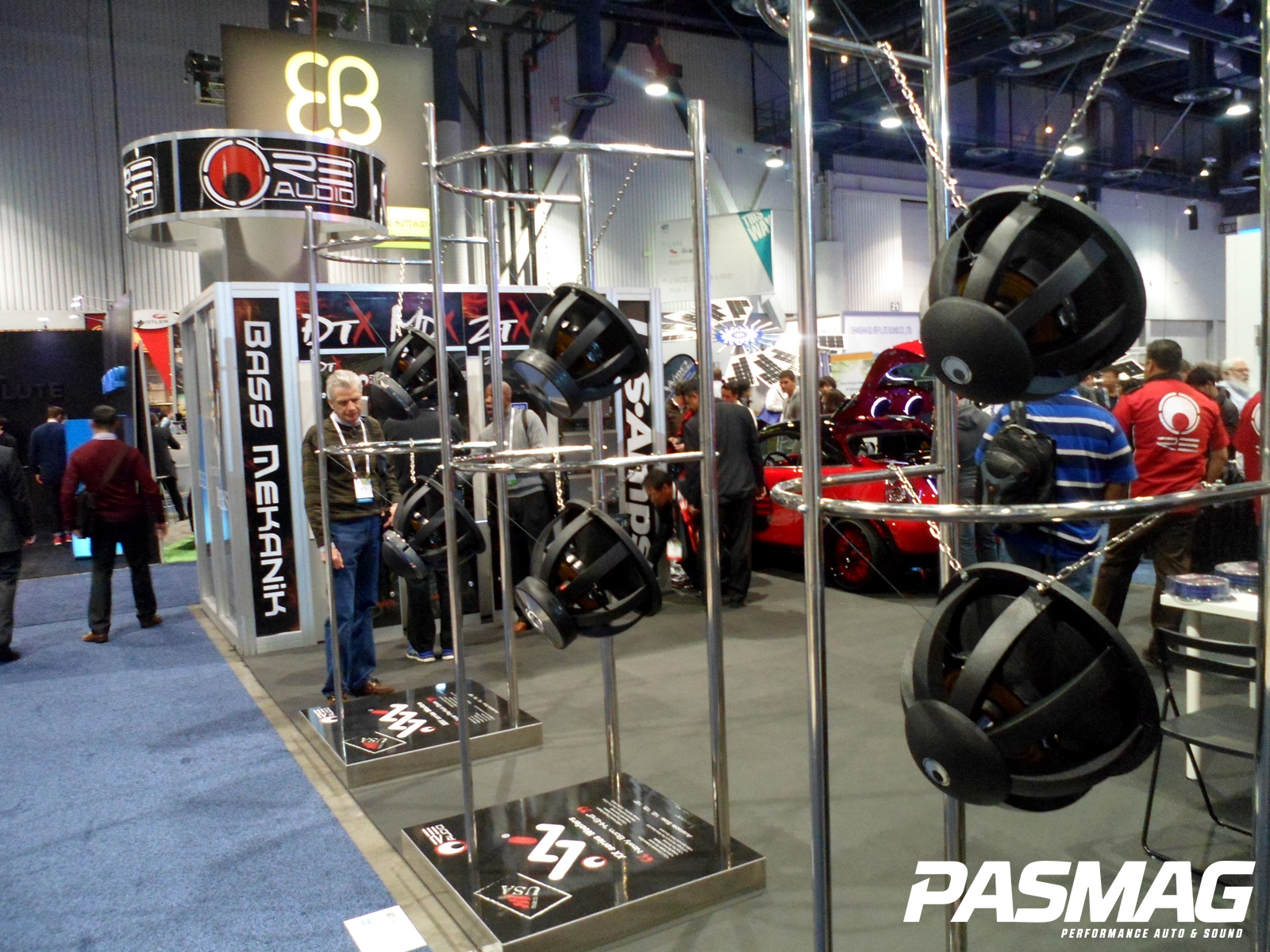
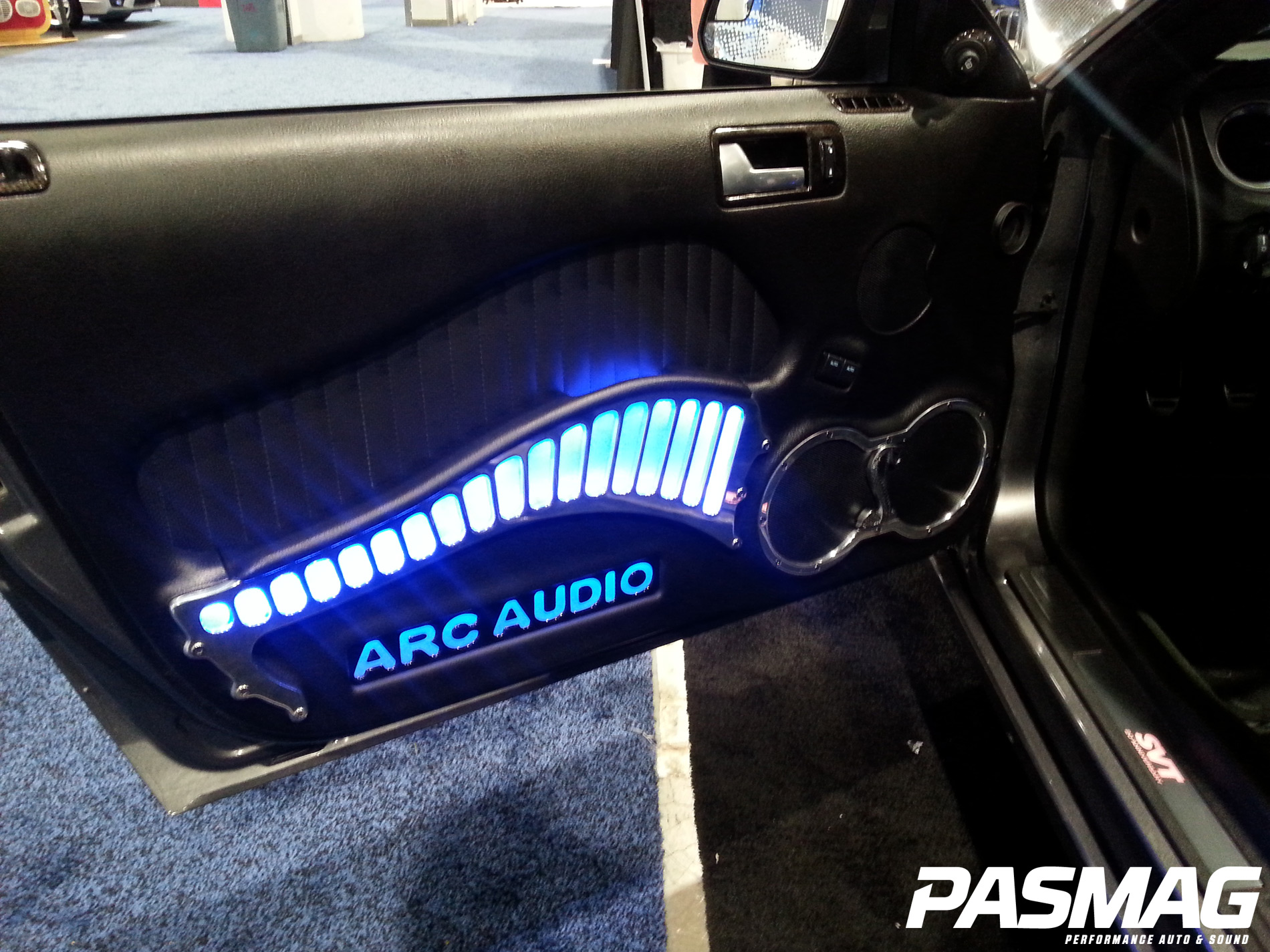
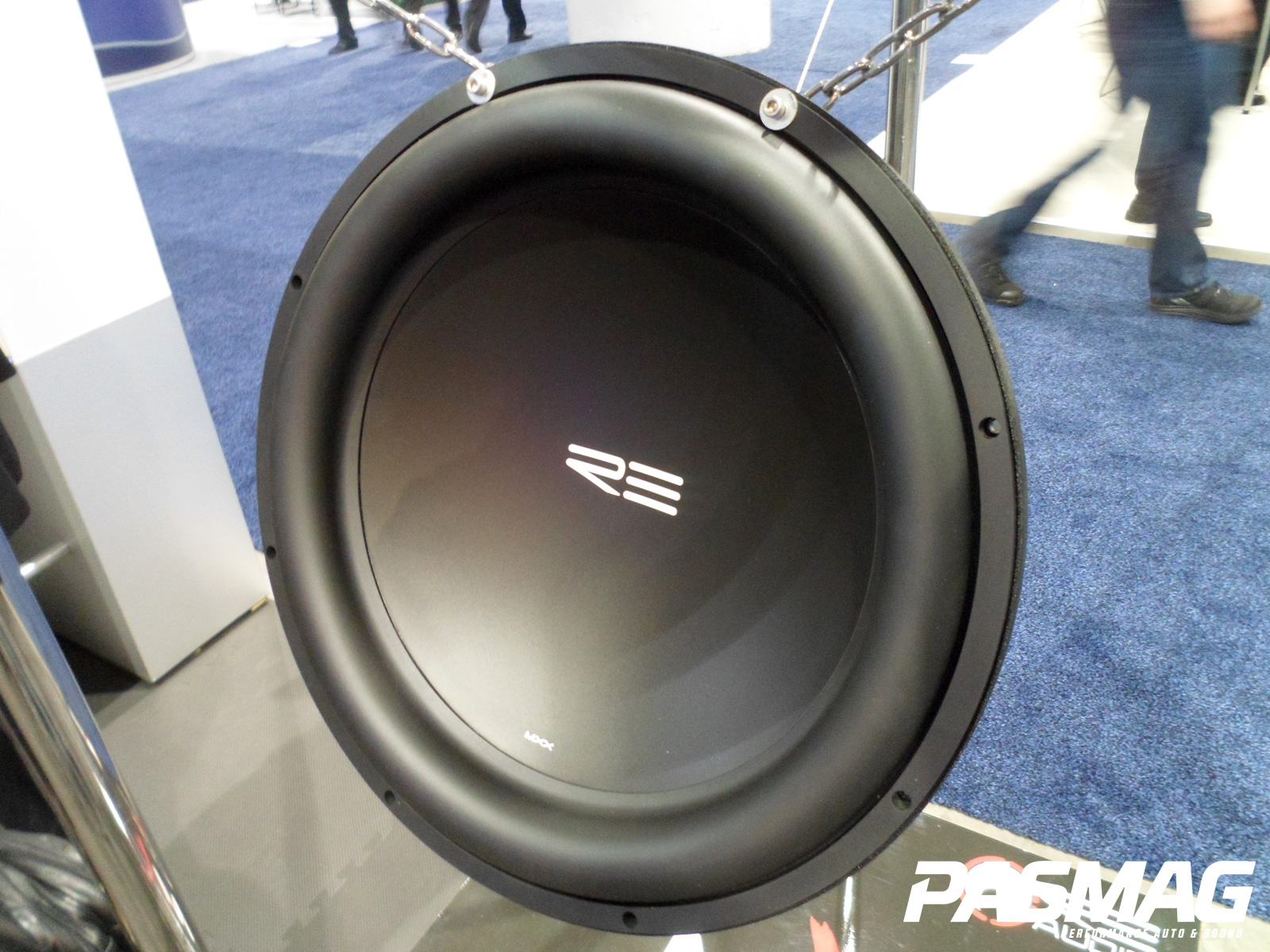
My first stop was the RE Audio booth where they had an impressive display of massive woofers hanging from chains and a very cool demo vehicle with a motorized sliding amp rack. RE seems to be focusing on the days of old with big amps and big power that will make any bass head (like myself) happy. This focus seemed to carry on with a lot of the vendors as I walked the show.
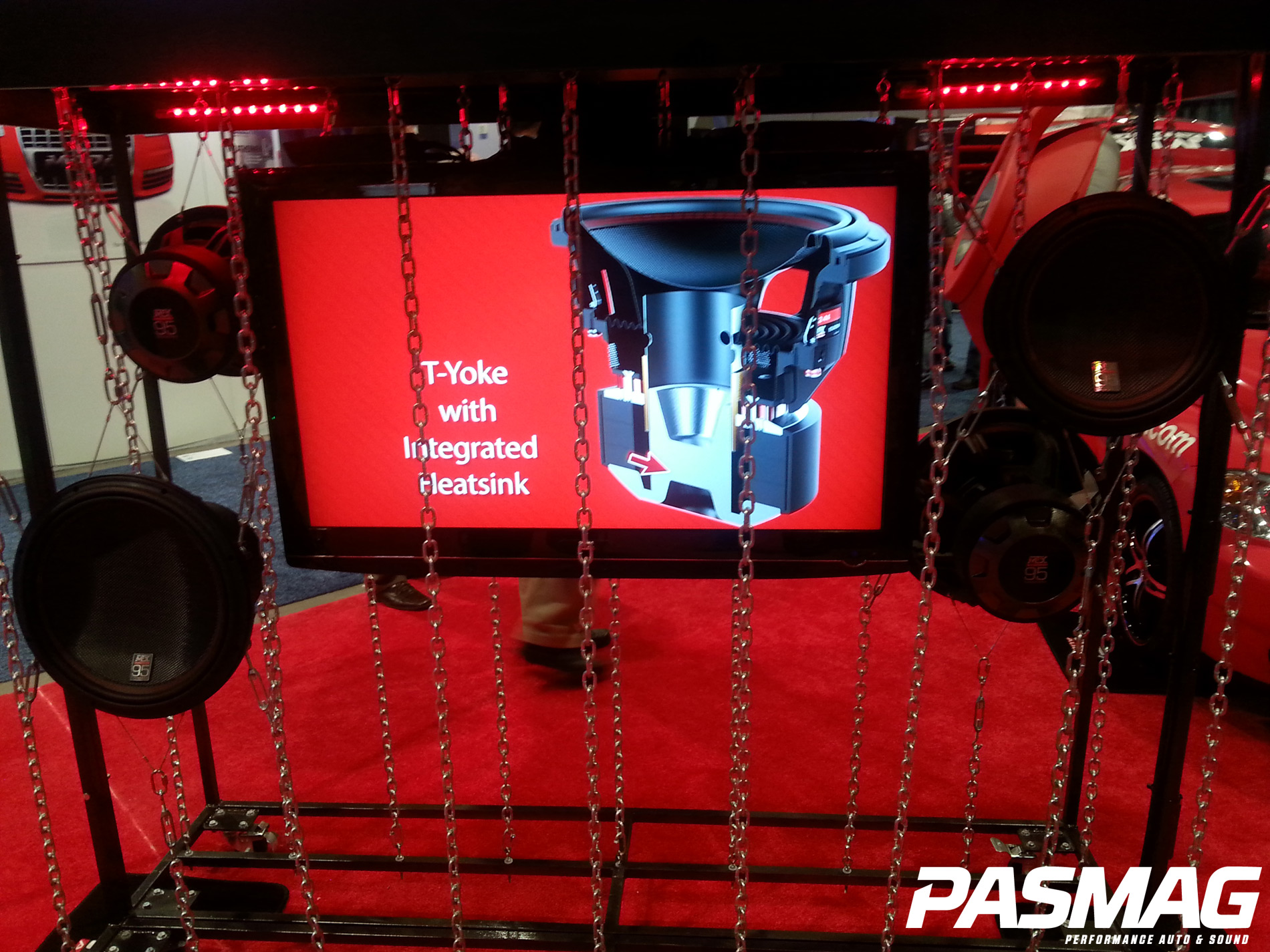
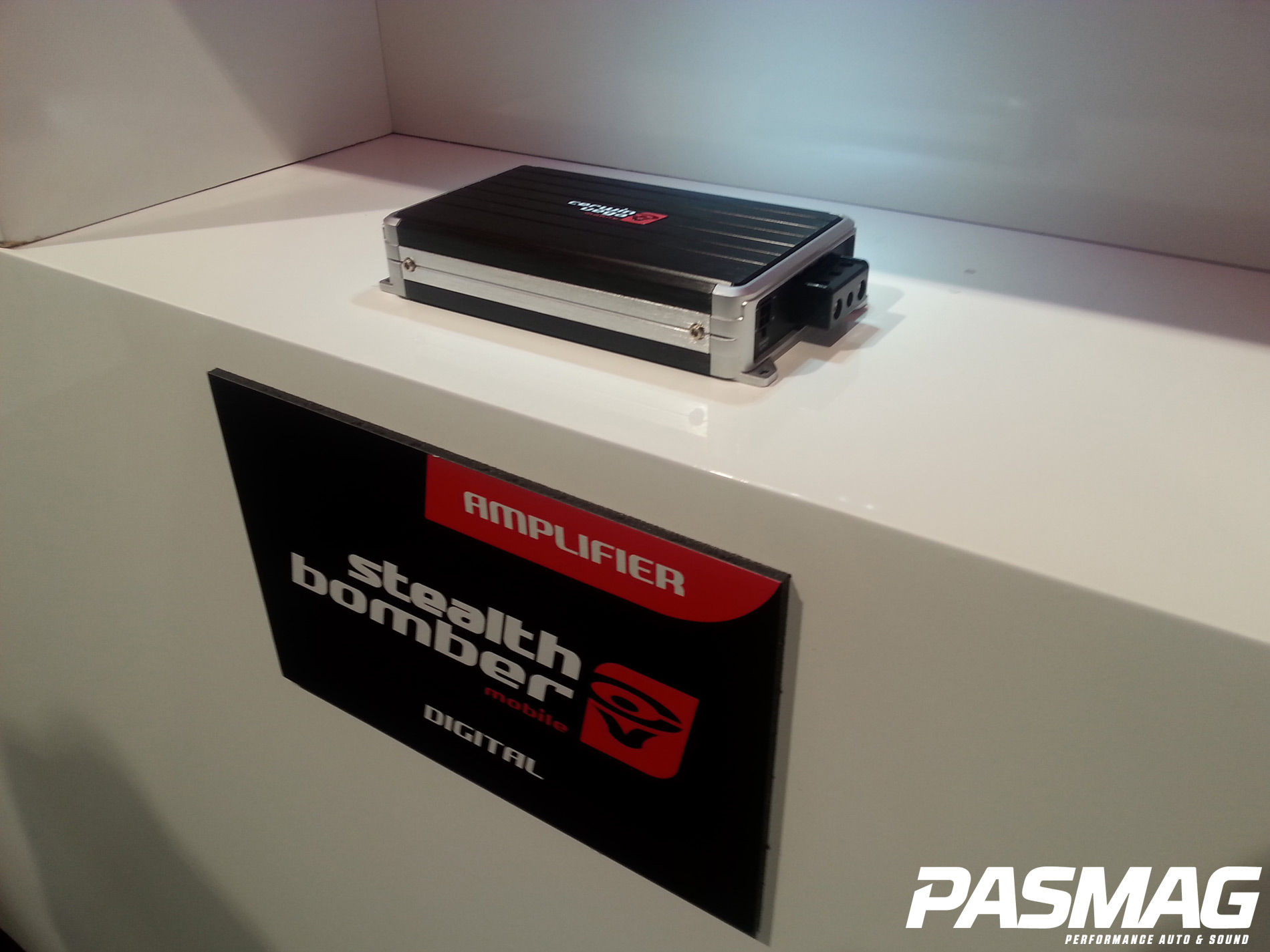
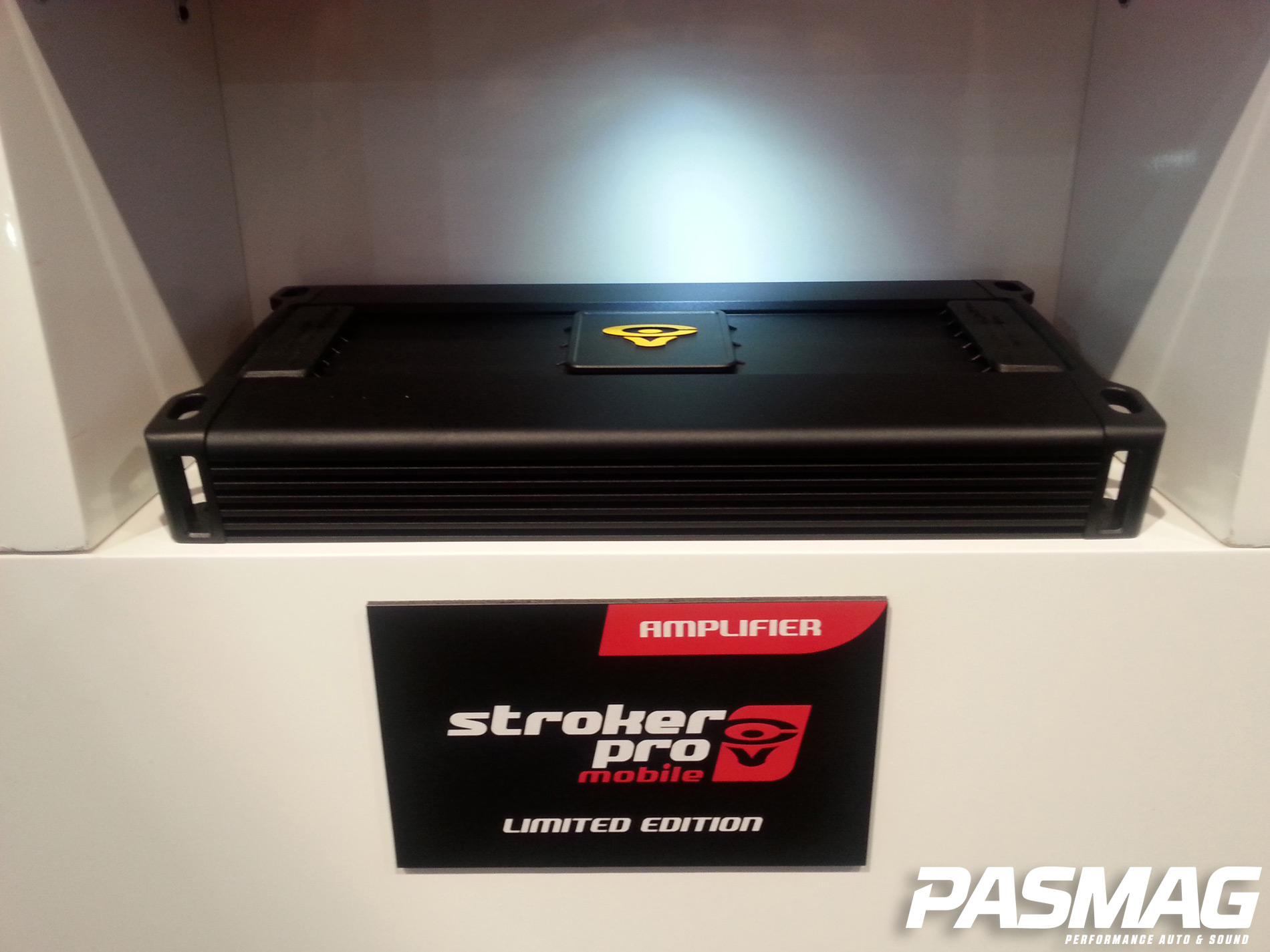
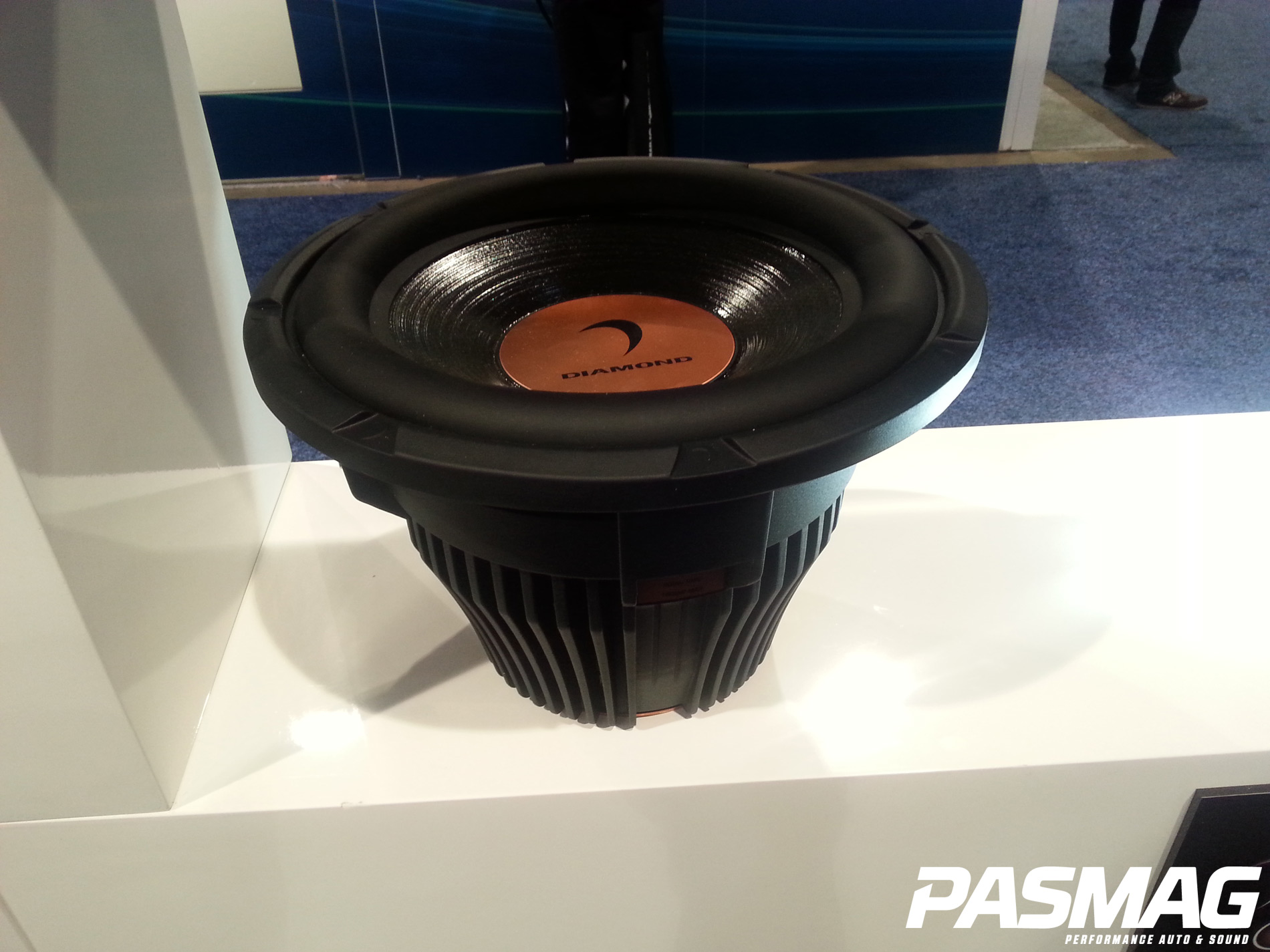
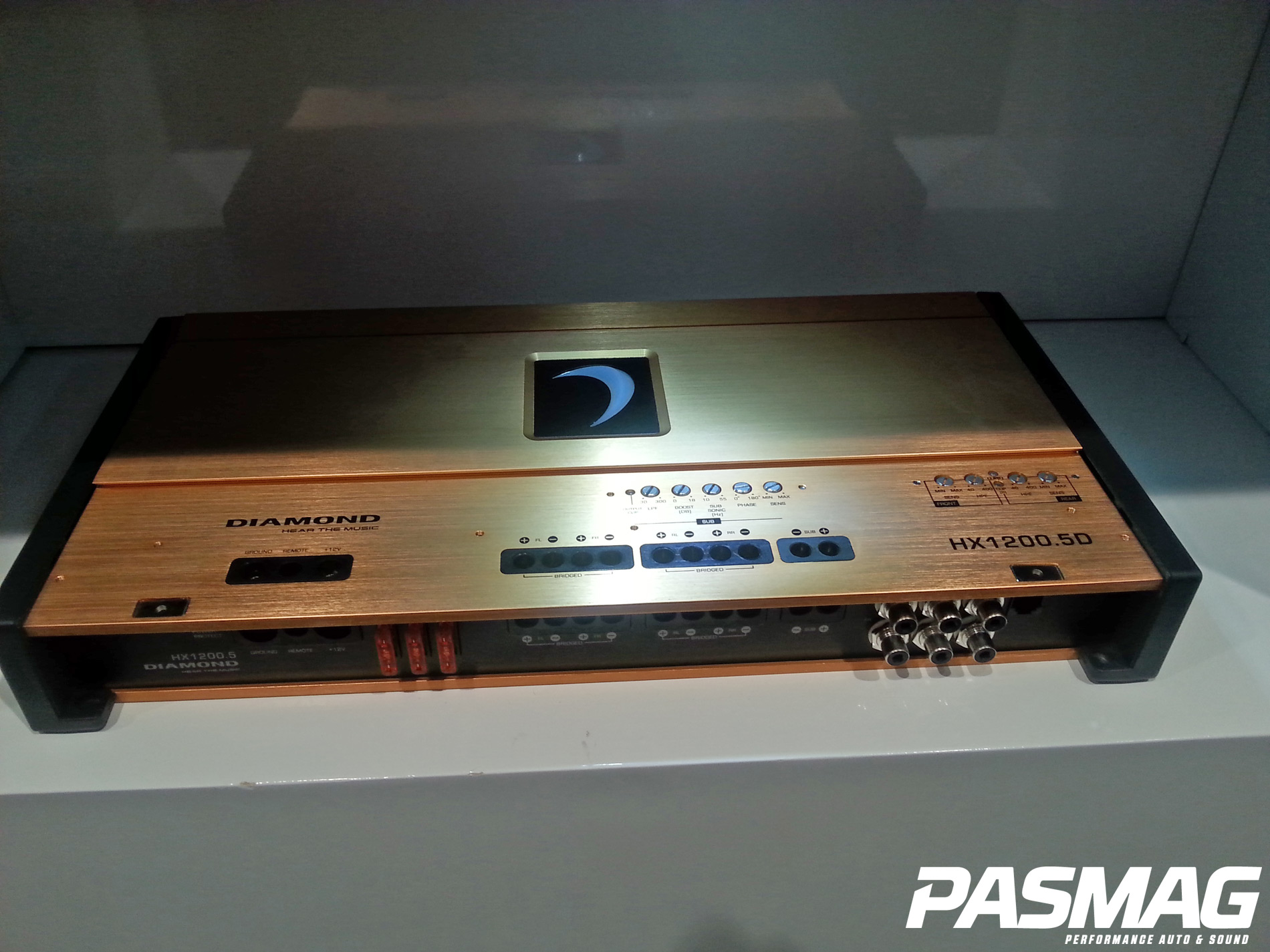
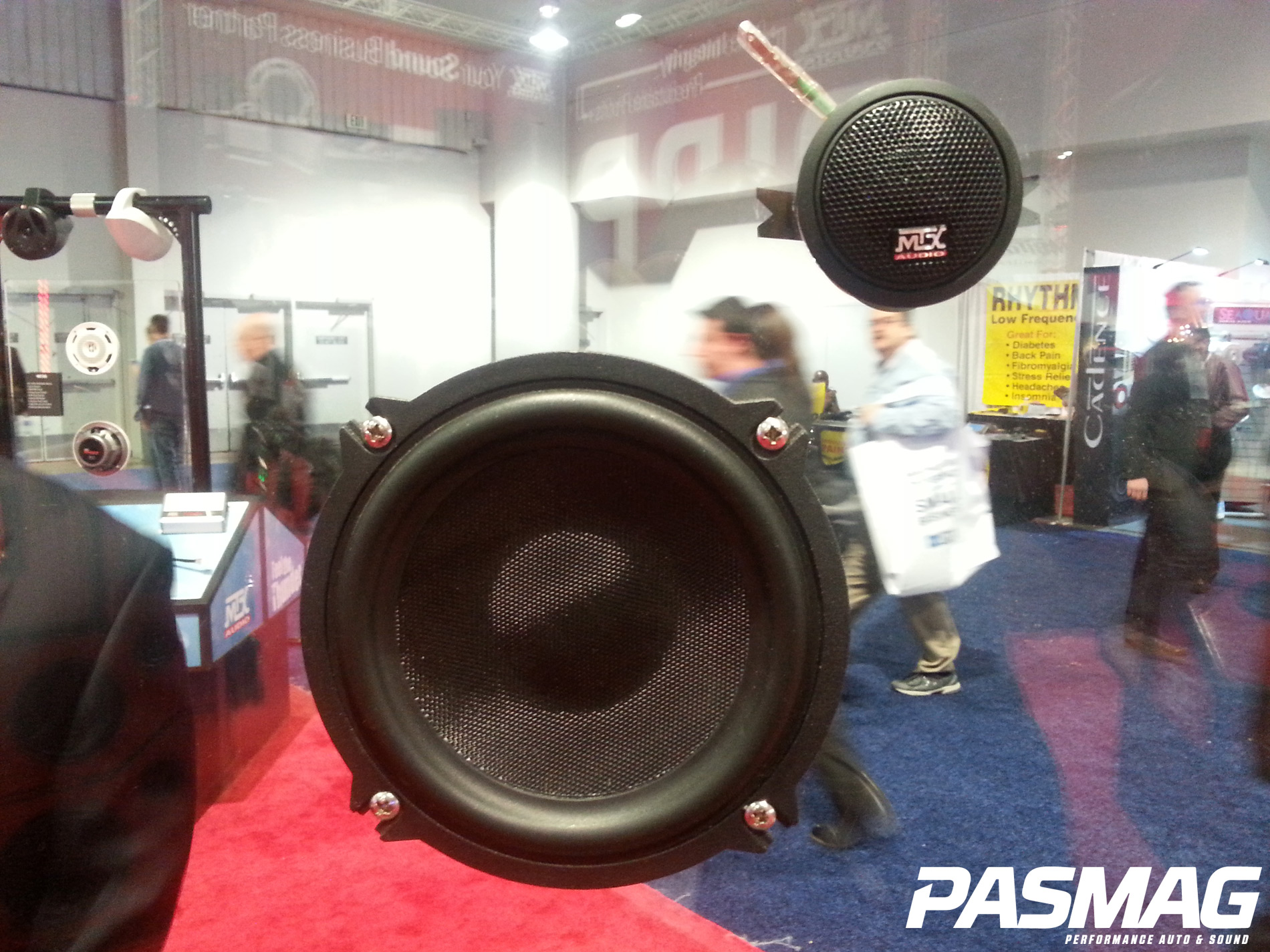
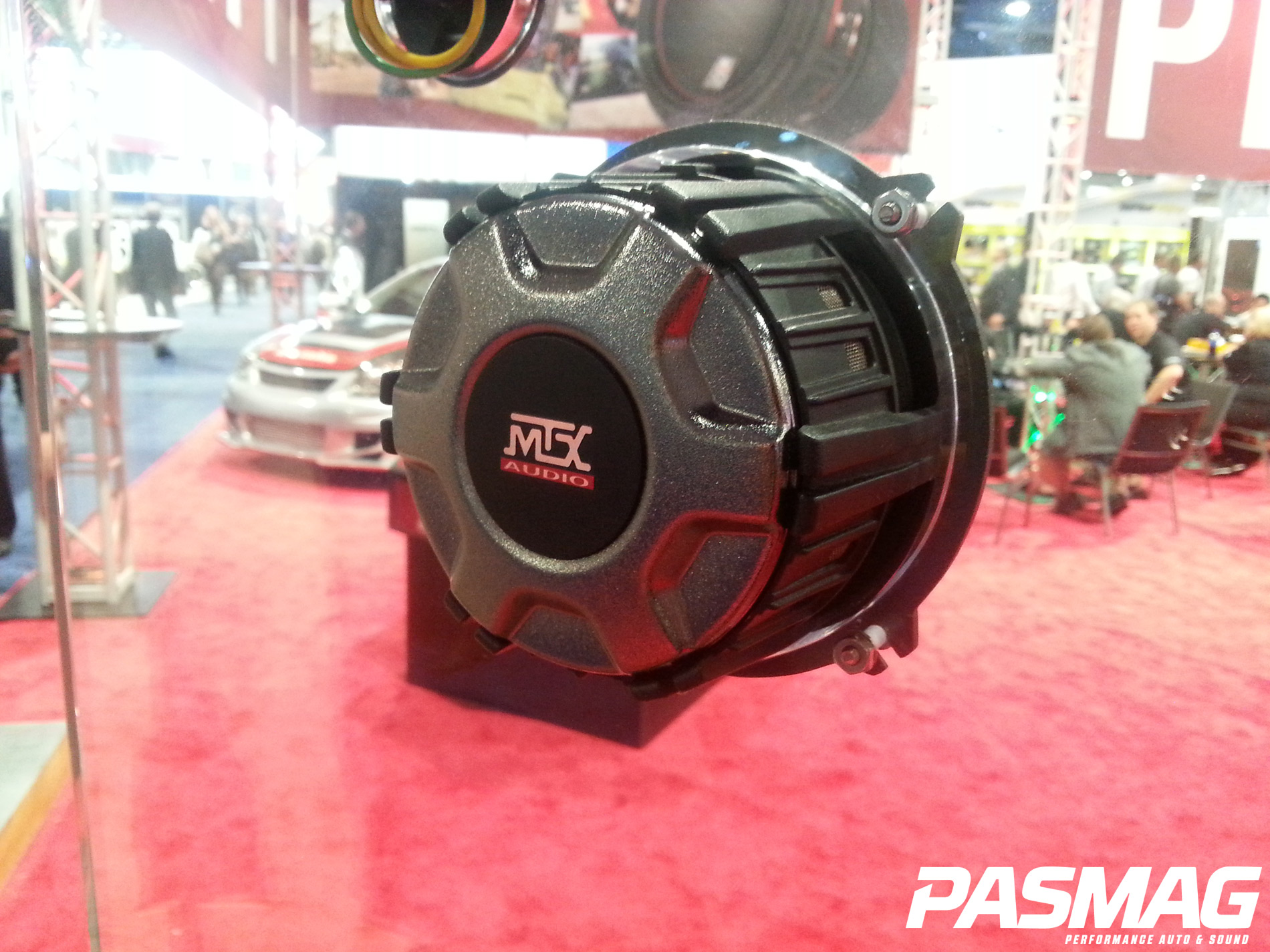
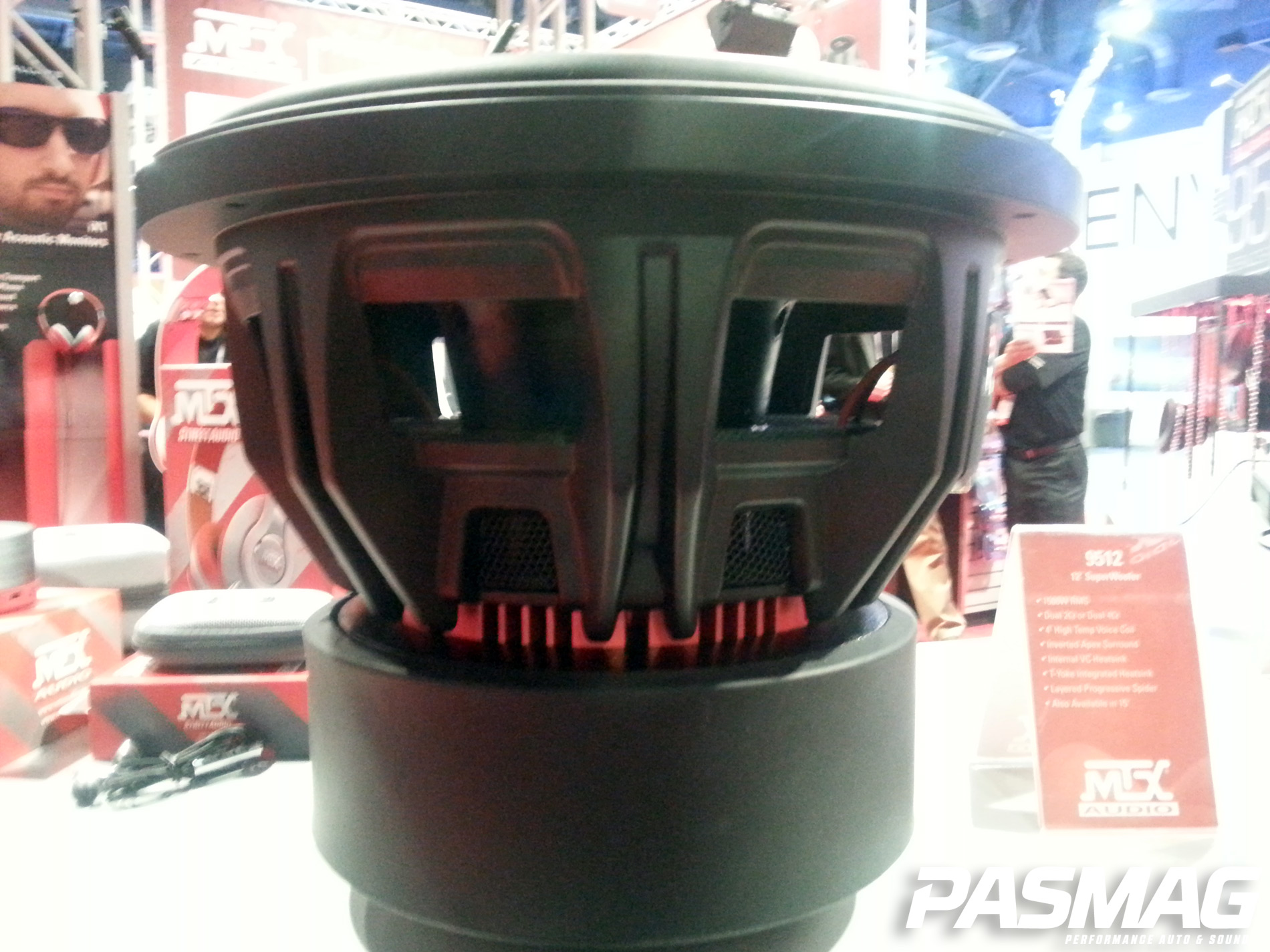
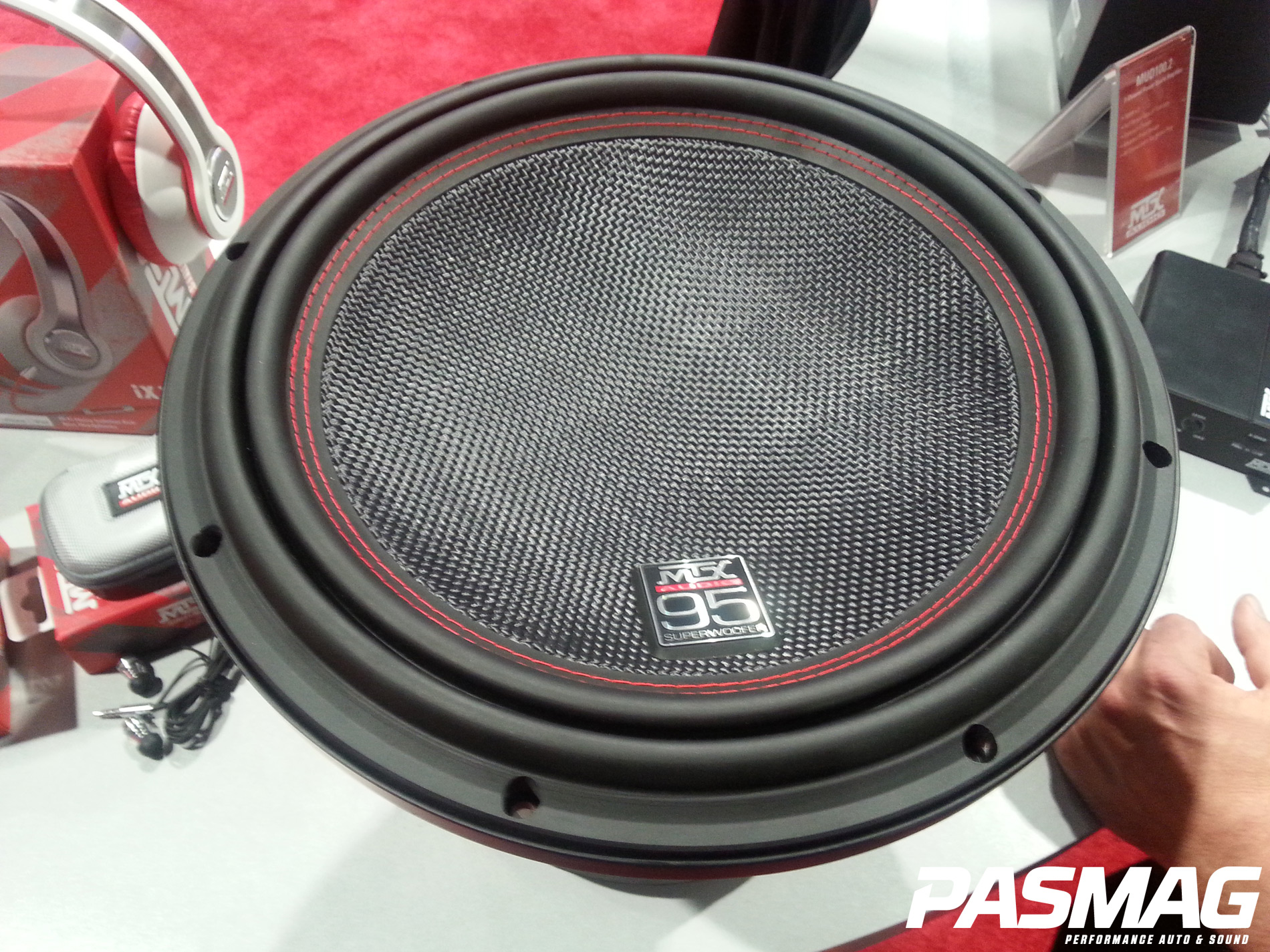
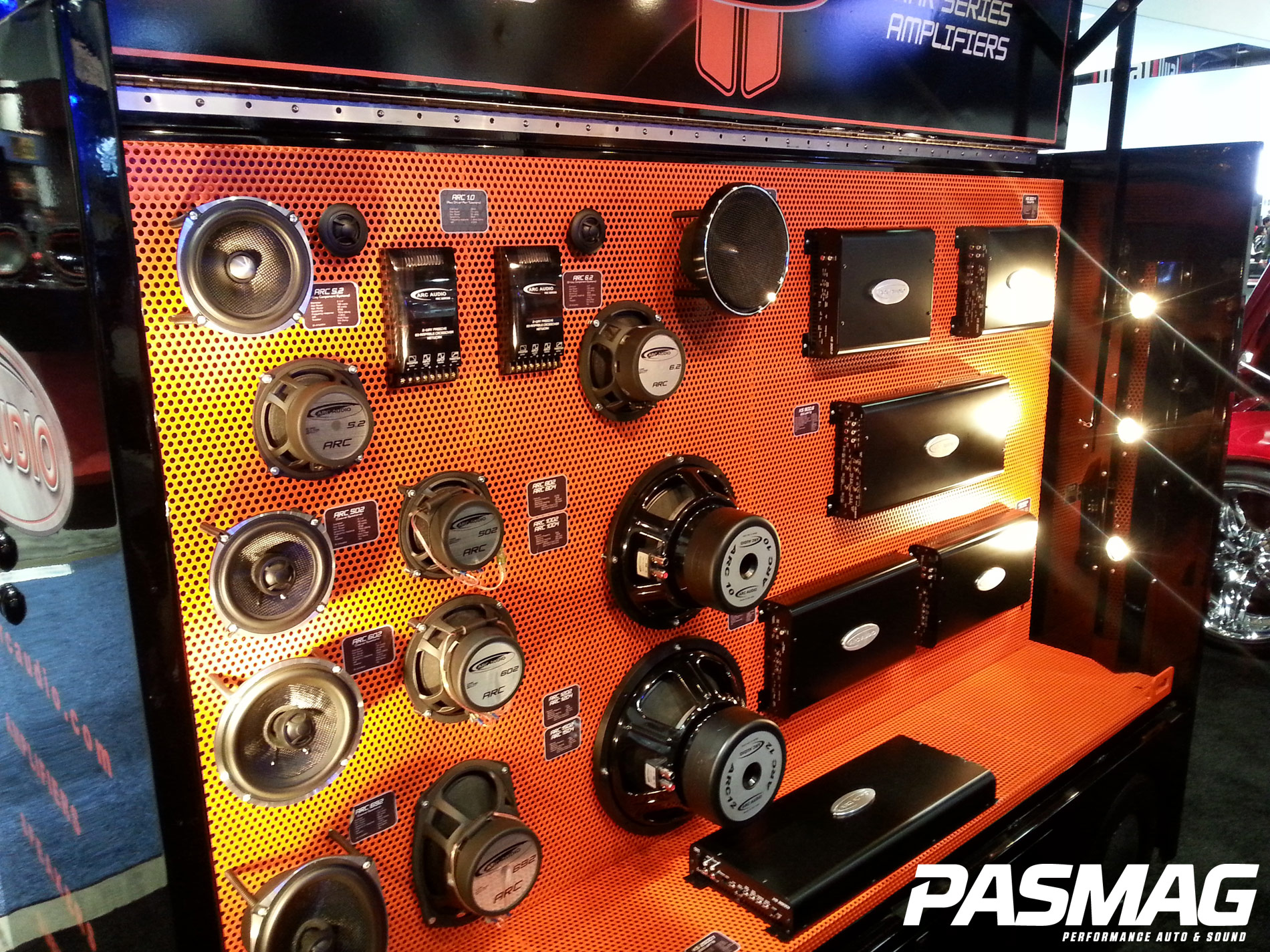
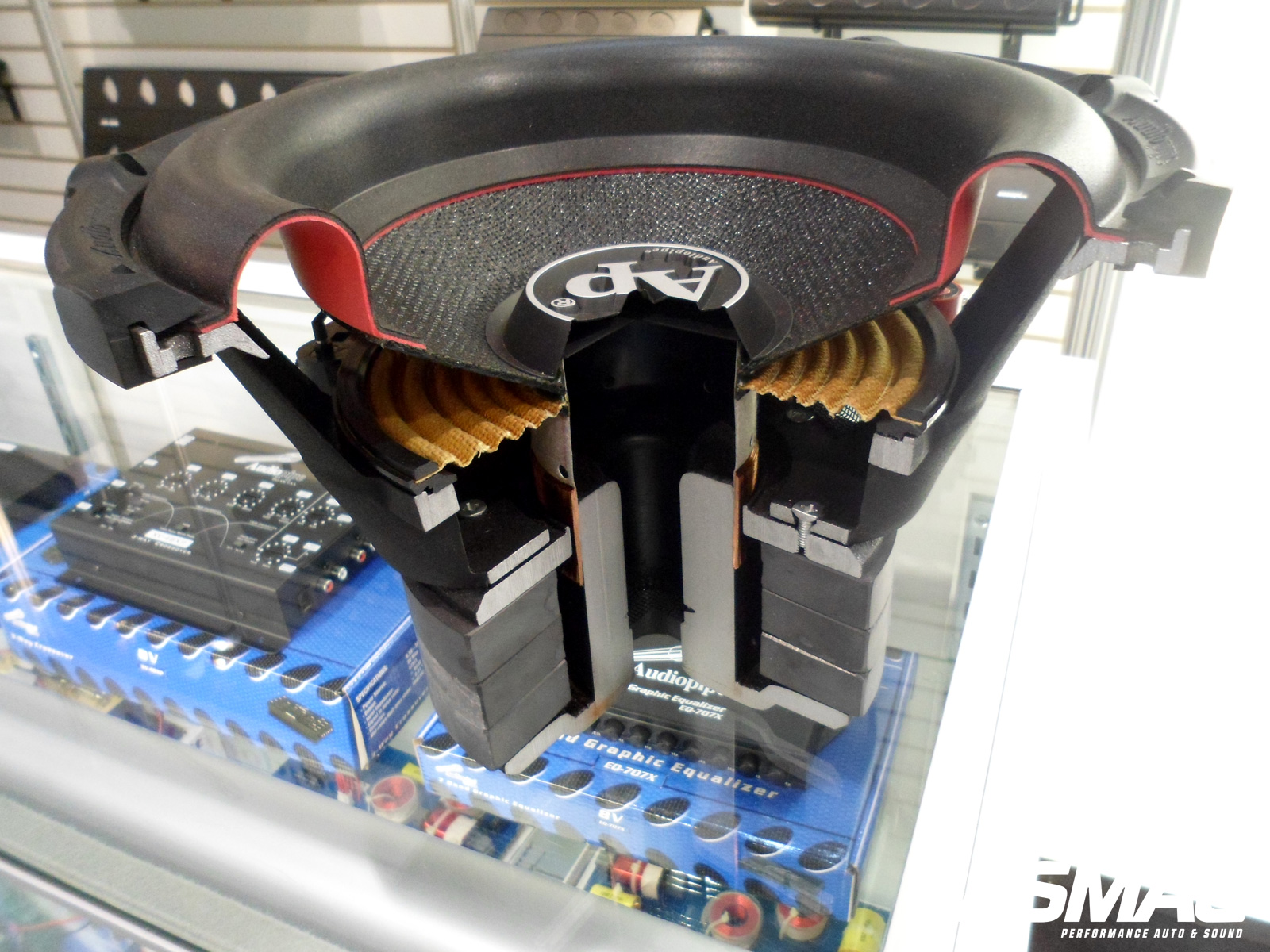
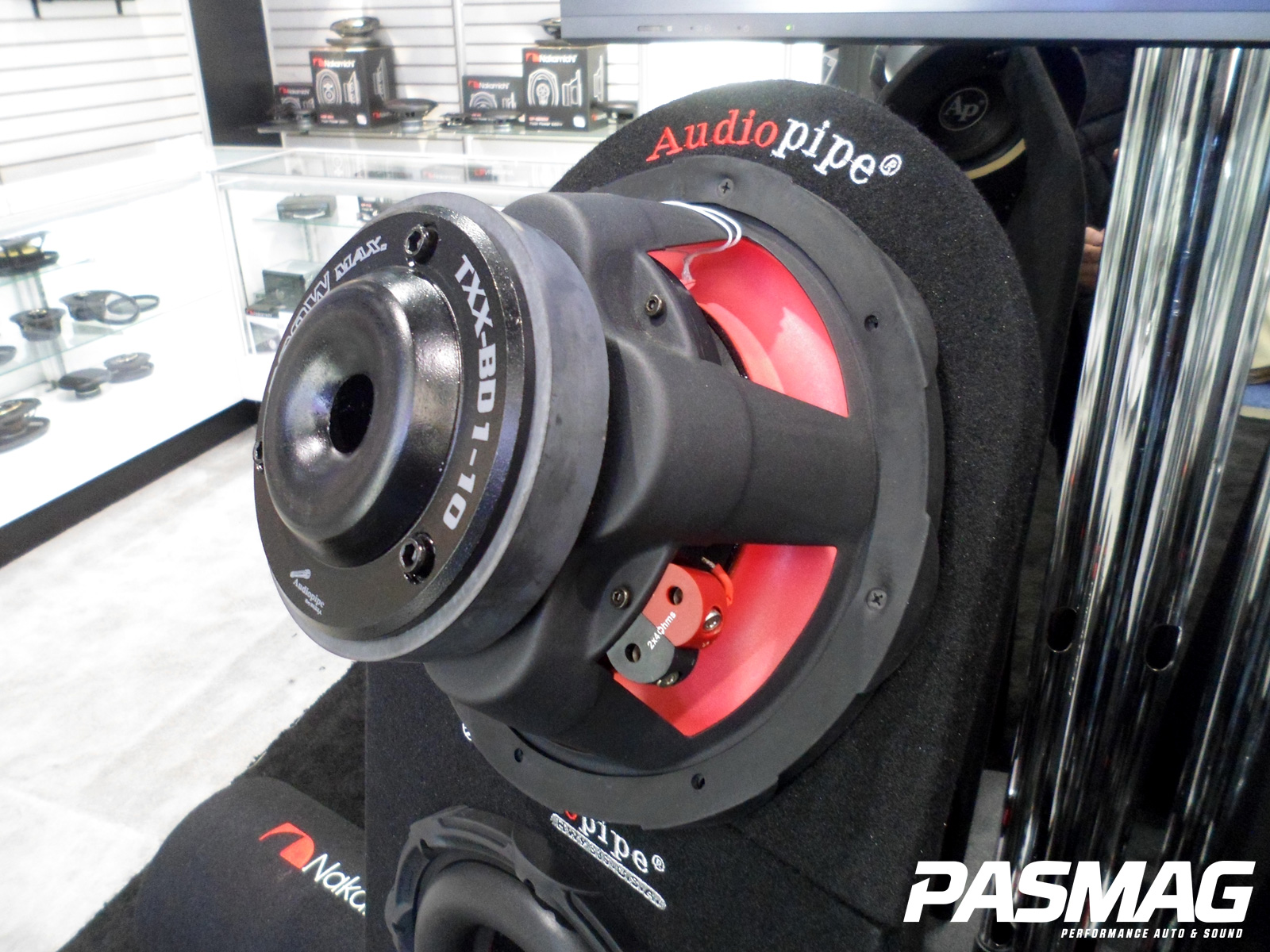
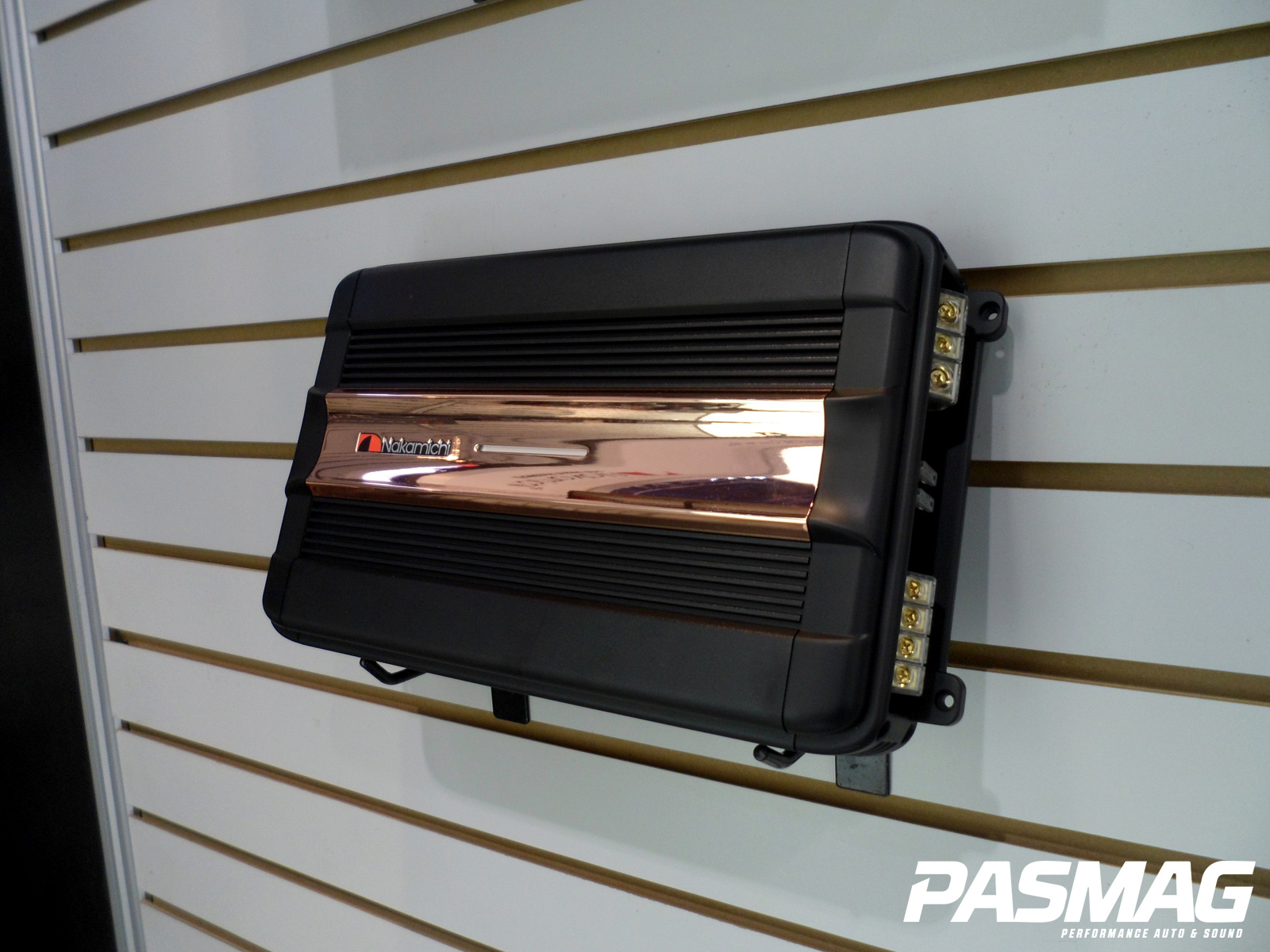
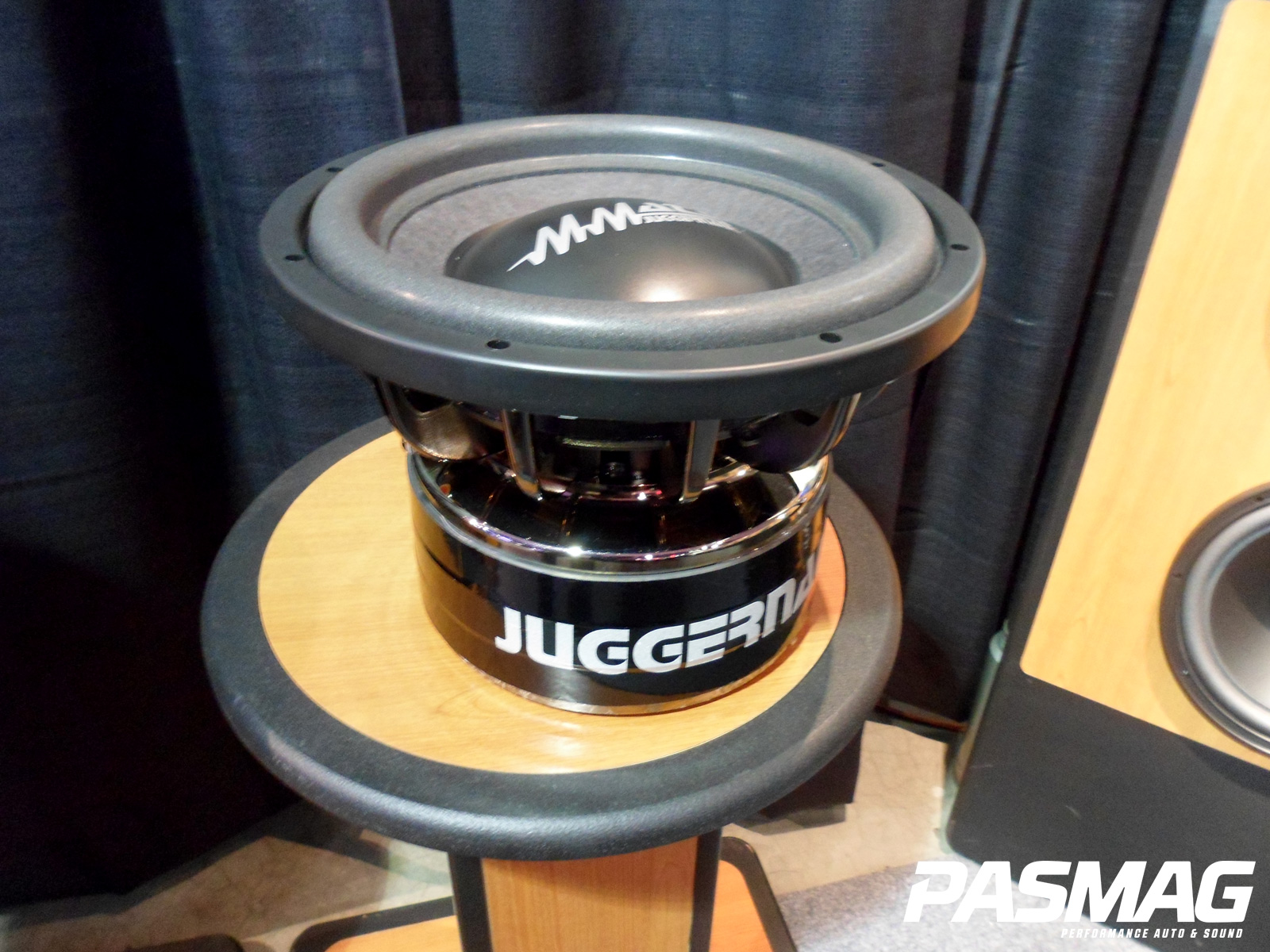
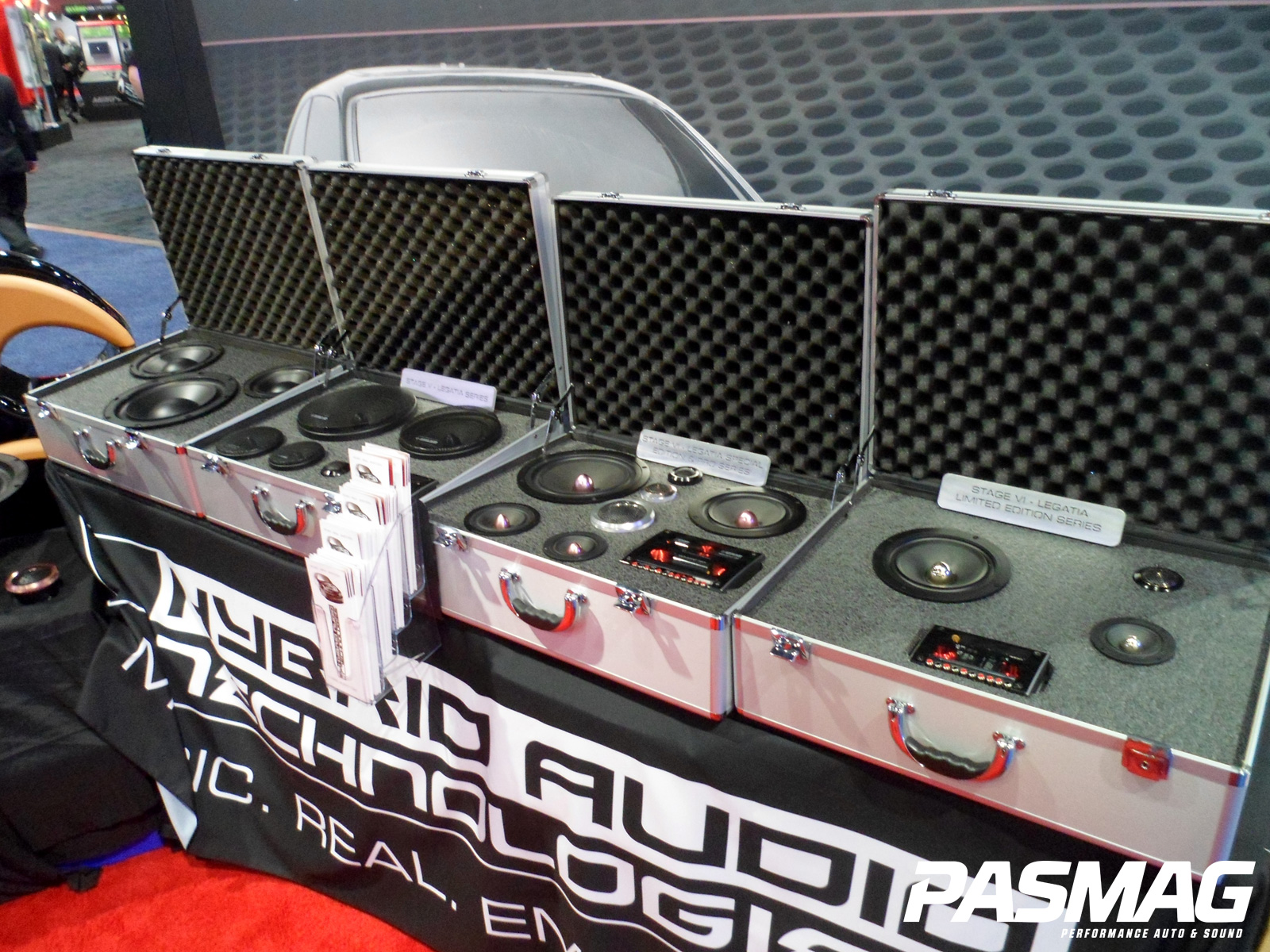
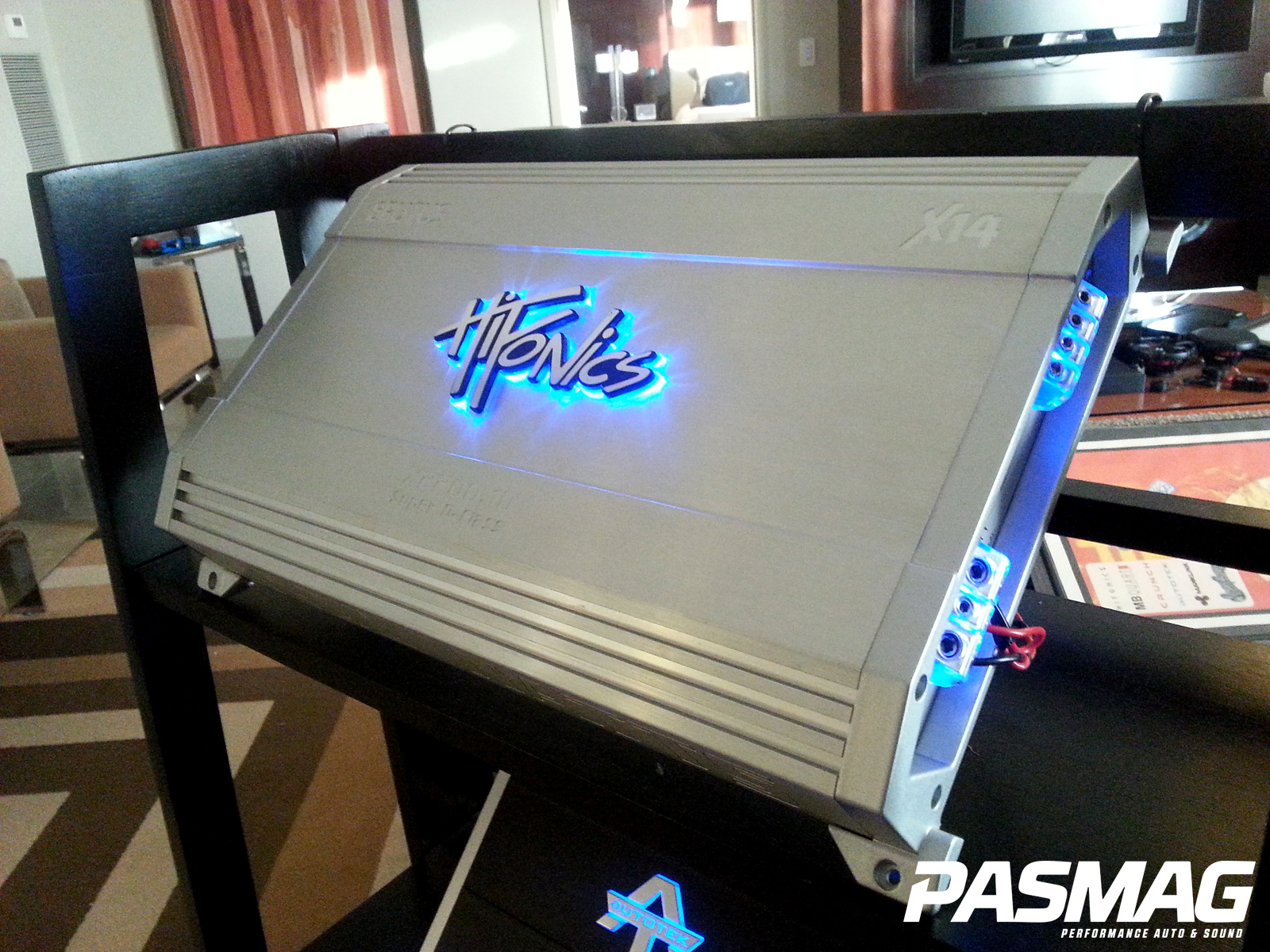
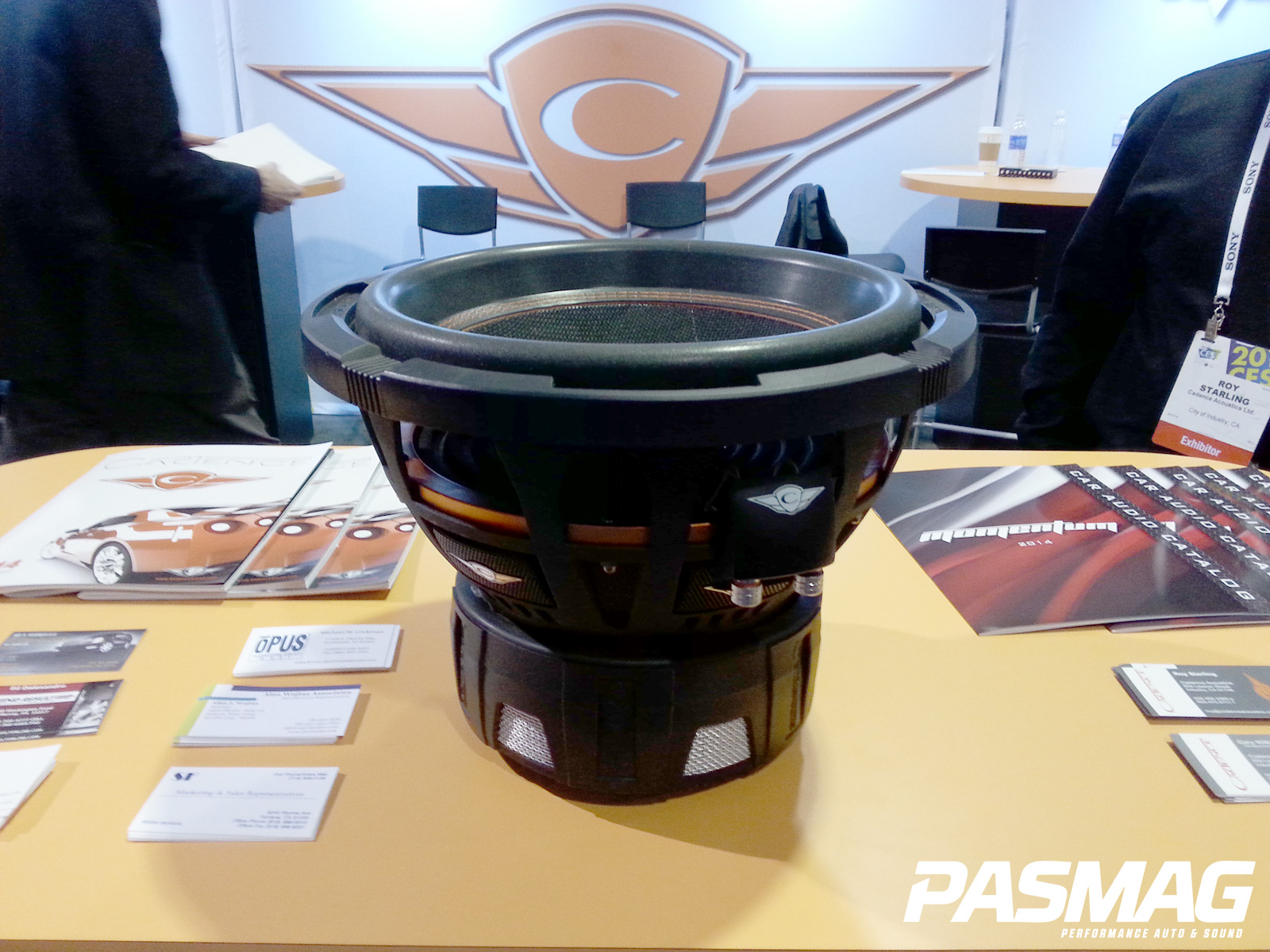
MTX was showing its massive new 95 Series subs, Orion had its monsters in a glass box, while Cerwin Vega was showing off the newly-designed Stroker subs and amps. These companies - and many more - seem to be embracing the old school designs of massive motor structures and large heat sink amps that can produce thousands of watts. Unlike the old designs, the new subs and amps are much more efficient and can achieve outputs that would previously have been unimaginable. With the first day of the show wrapped up, I was happy with what I saw in regard to the new amps and subs ahead for 2014.
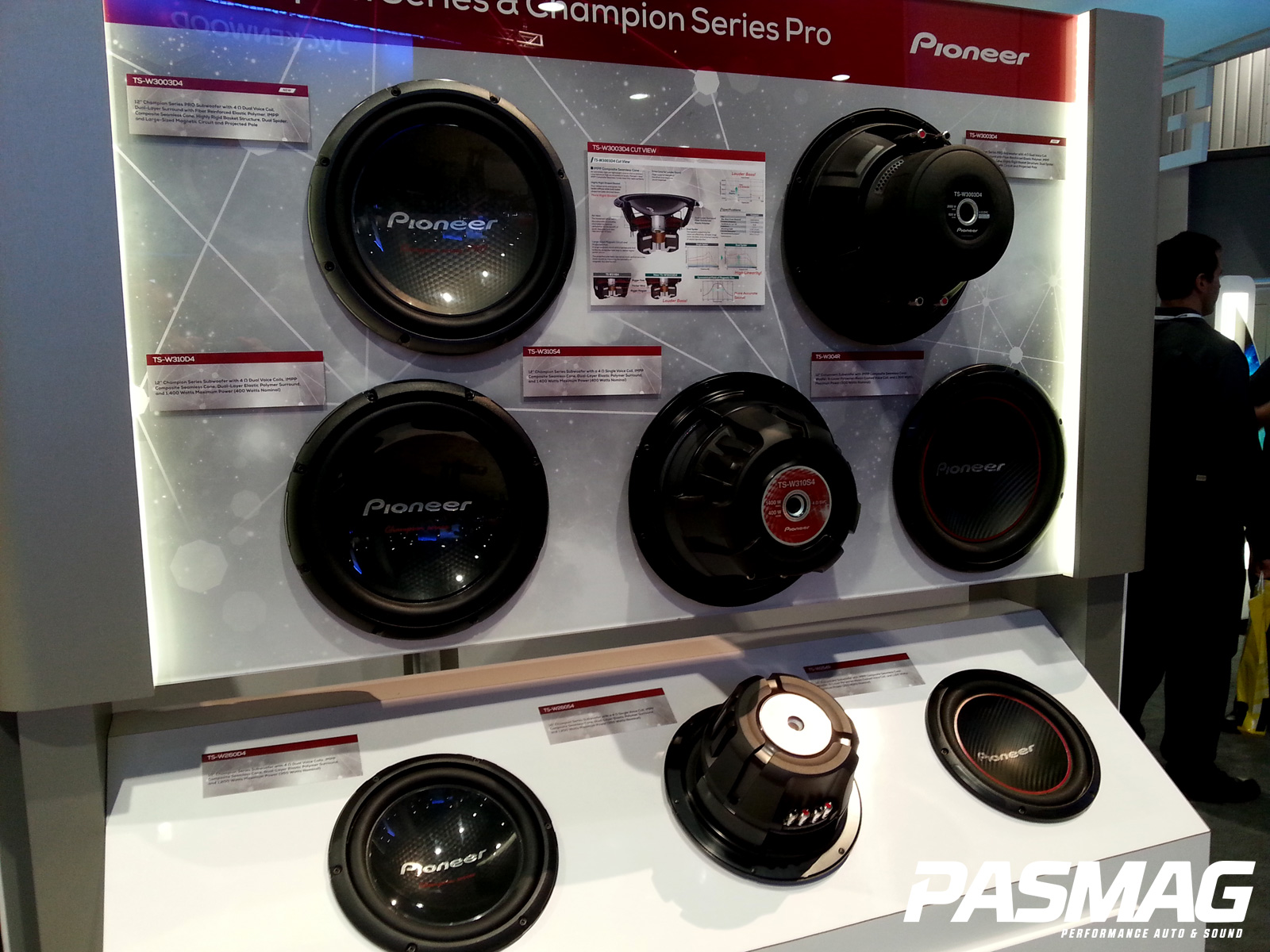
The second day of the show, I focused on head units and what new technologies I might look forward to. I began with Pioneer and their new NEX head units (Networked Entertainment eXperience), which is basically a new way to integrate your smartphone with the head unit. Kenwood showed off their new 4G radios which will give your head unit Internet connectivity using a 4G dongle through Verizon which seems cool, but I am concerned with the monthly cost associated with the service. Sony showed off its NFC-enabled cradle radio which basically allows you to set your phone into the cradle and turn it into a radio display via NFC and Bluetooth. I personally don’t see this being a very popular unit, but only time will tell. Alpine showed off its custom kit for 2007-2014 GM trucks and SUVs that holds the first ever nine-inch head unit display. The unit seems very cool and raises the question of whether Alpine is going to start encroaching on the dash kit market with all-in-one solutions like this. One constant trend amongst the manufacturers is the integration of HDMI into its head units. This has been done mainly for MHL connection with smartphones. I would hate to see these inputs being locked out from third party sources like the Xbox One and PlayStation 4. If the manufacturers make the HDMI recognize only the app they provide, then this will be the case. At the end of the second day I was a little disappointed that I did not see any wireless MirrorLink connectivity from any of the head unit companies, but it looks like they are firstly going to focus on hard-wired connectivity. Perhaps 2015 will be the wireless year.
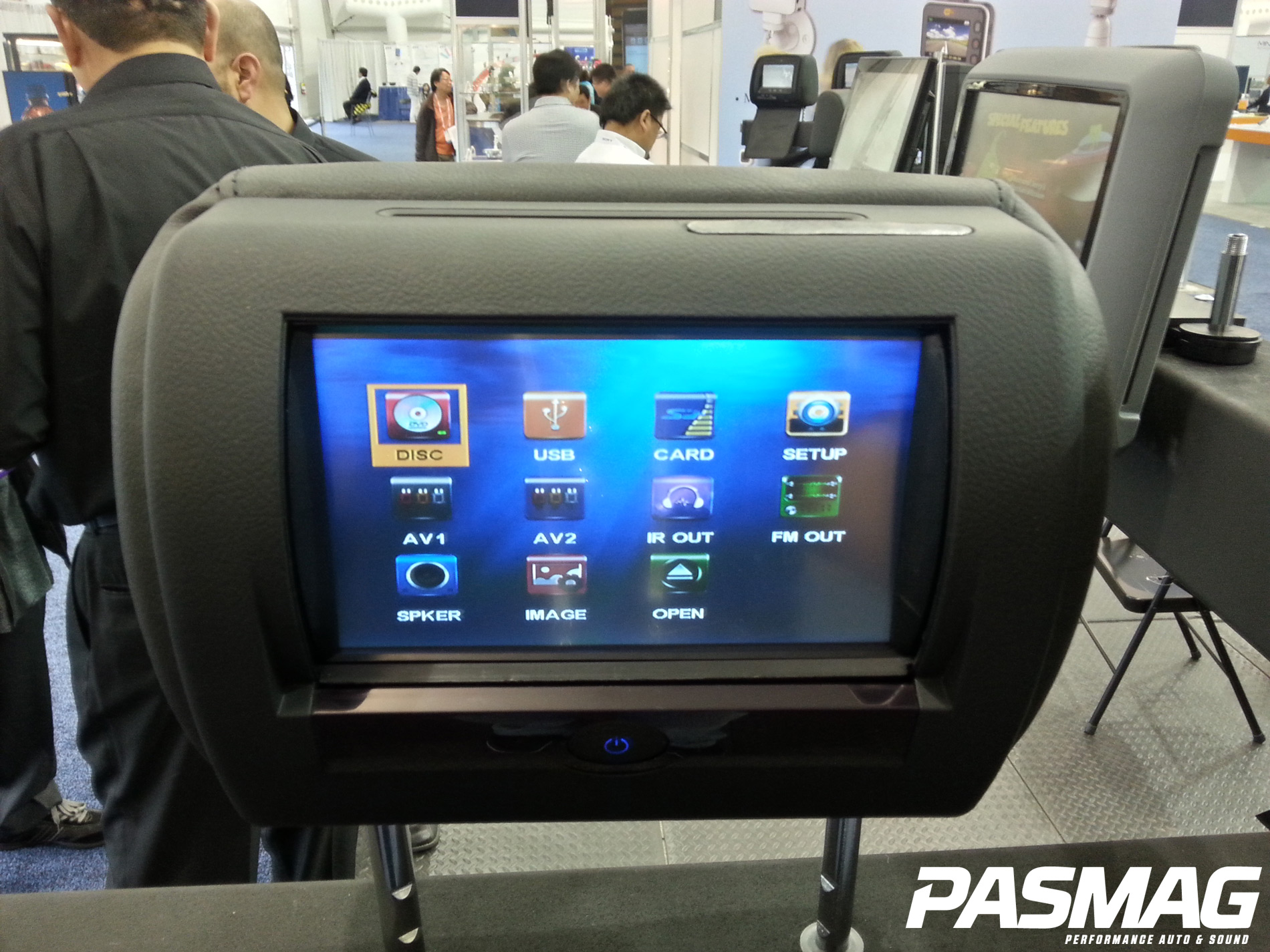
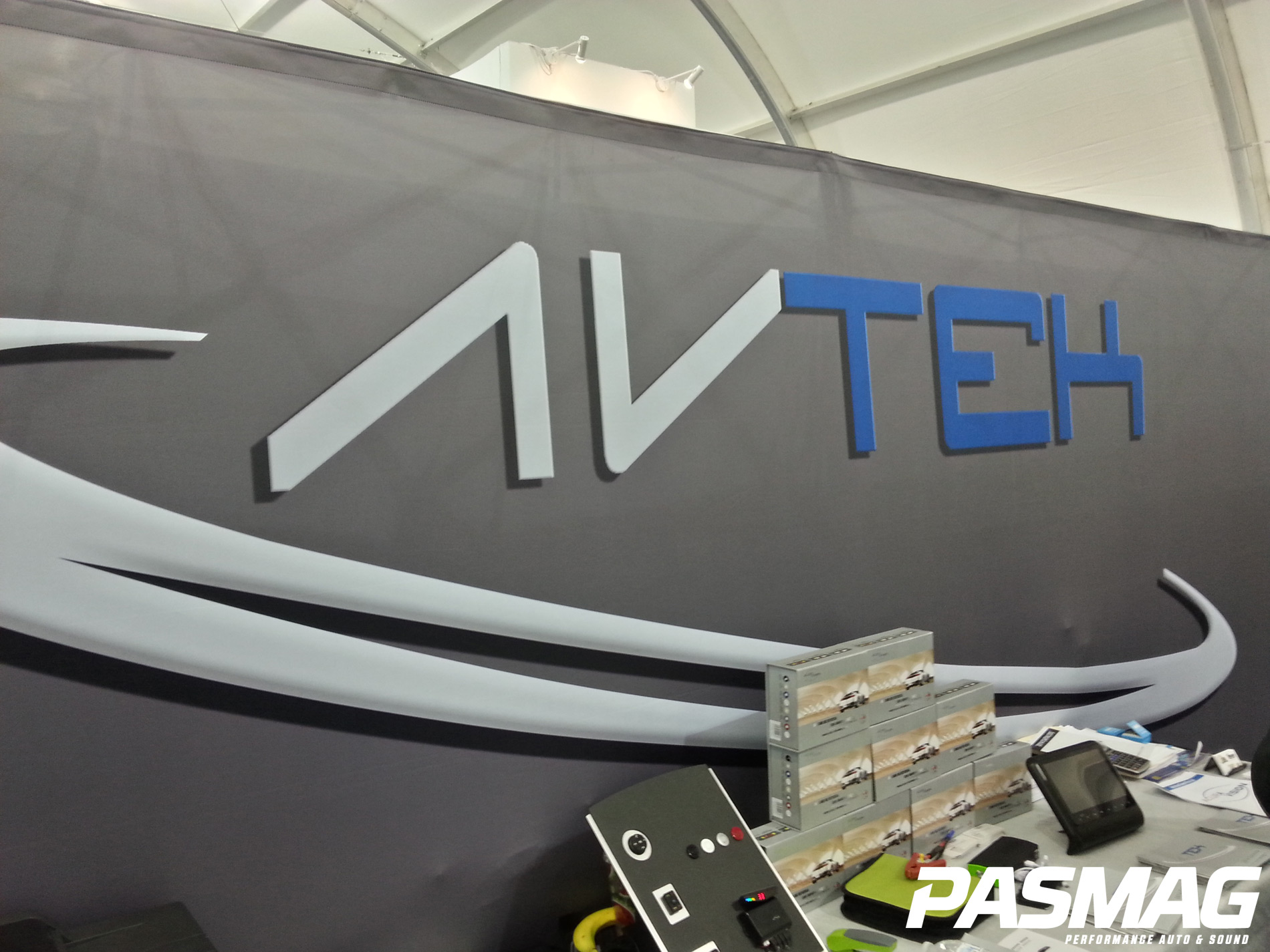
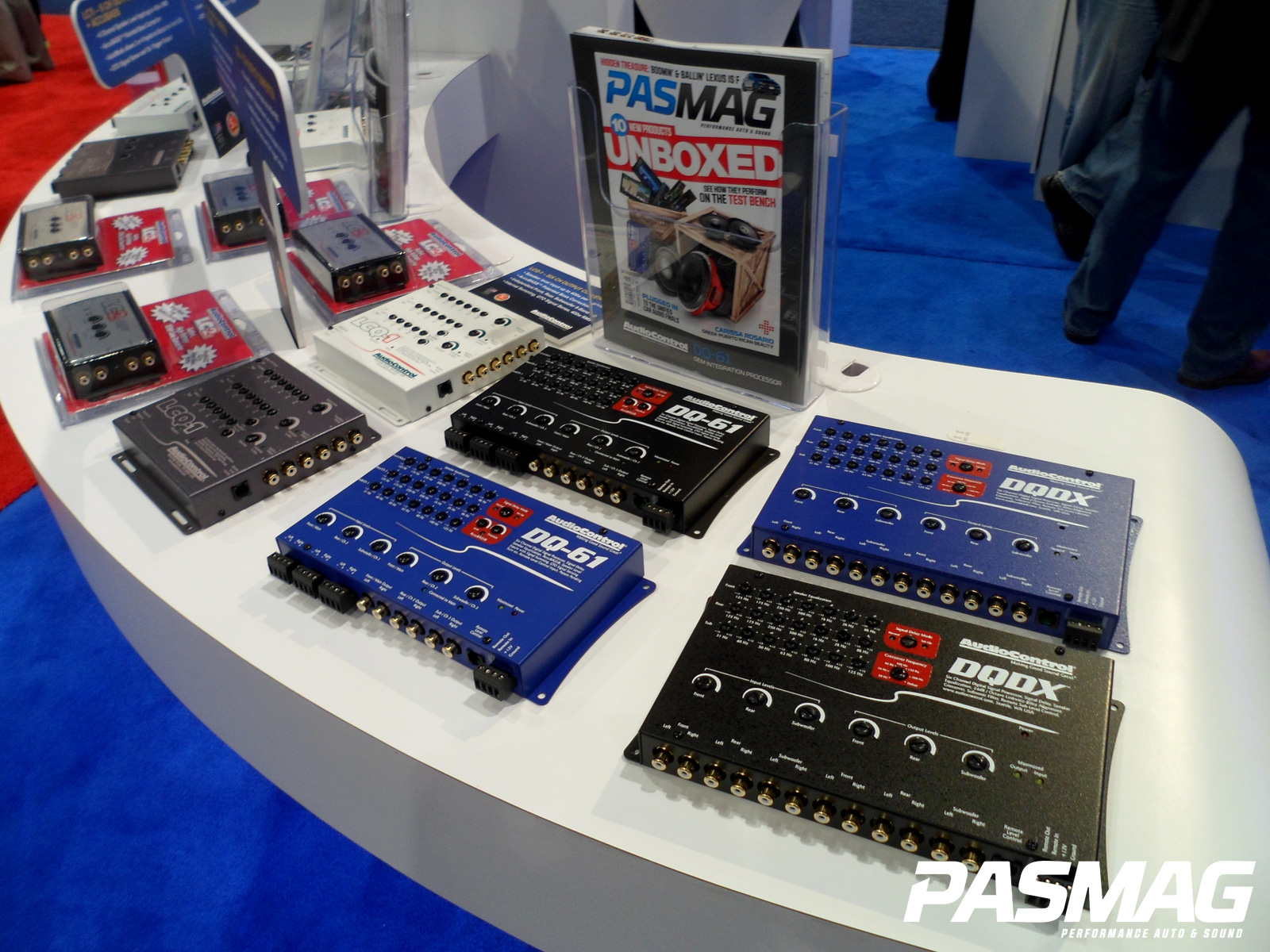
Setting aside the third day for mobile video and integration, as expected there were numerous companies on hand with mobile video, and they all seemed to have the same technology as past years – all except one – which was hidden outside in the parking lot in a tent called the Gold Pavilion. AVtek, the company formerly known as Acura Vision, had an assortment of headrest screens that seemed standard until I came across the motorized screen, which is a game changer. After seeing the demo and the price points, I think these will be huge in 2014. I was also impressed with Metra’s new integration harnesses that have an automatic learning feature. Gone are the days of using the steering wheel buttons to program all of the factory functions. The harness will automatically read what kind of radio and vehicle it’s hooked up to, then program the module accordingly – a feature that will undoubted be welcome by all fellow installers.
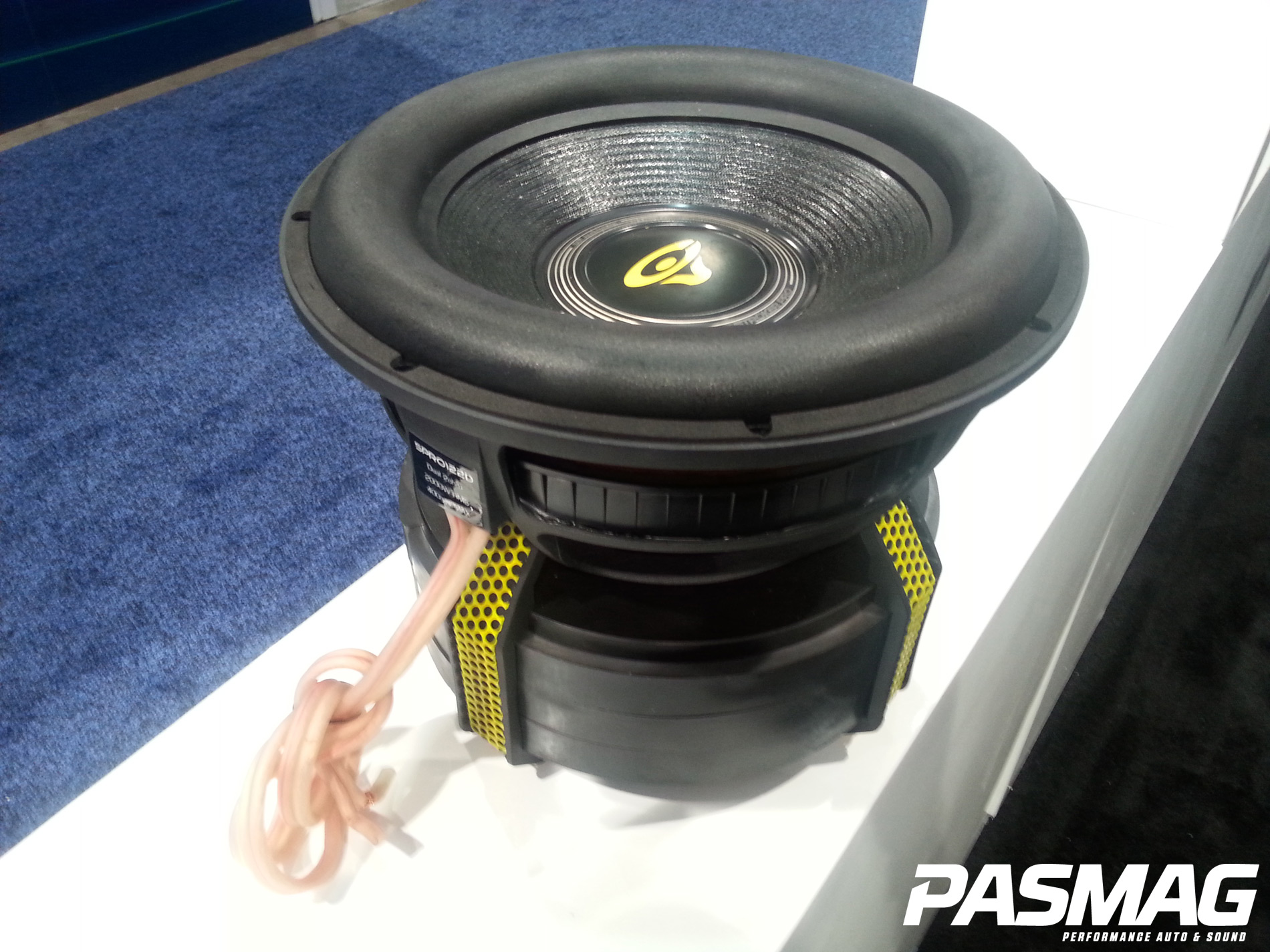
CES 2014 was a great show. It was something I needed to attend to get back into the rhythm and see what the current (and future) has in store. I saw more than I can put in words here and was shown things that I am legally prevented from sharing. With that being said, 2014 should be an exciting year in the world of mobile audio and video. #pasmag